Protect the environment
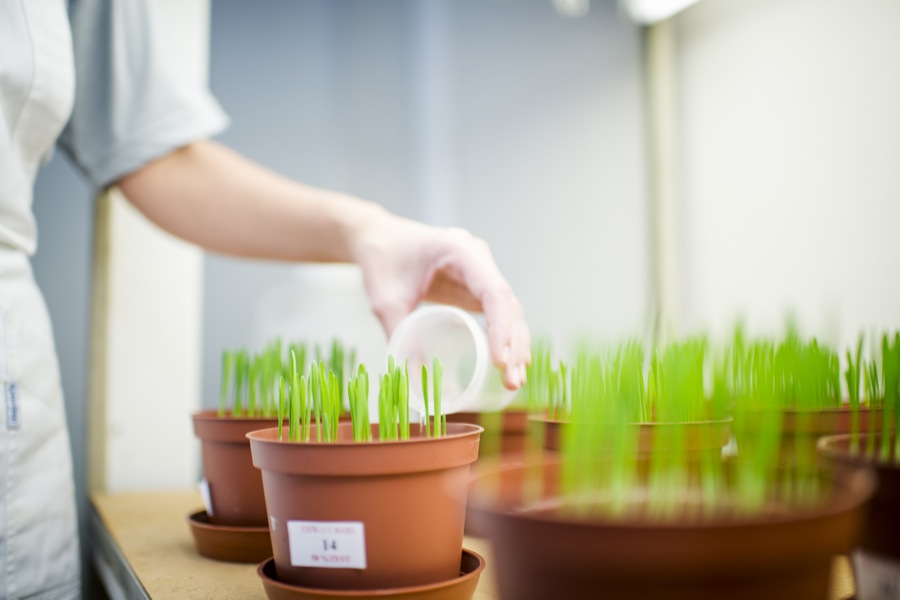
Laboratory testing is the reference method for assessing biodegradability and compostability under controlled and standardised conditions.
Field testing complements laboratory testing by observing how products disintegrate under real-world composting conditions.
Together, both approaches provide a clearer and more complete understanding of product behaviour.
Composting conditions vary in practice. Temperature, moisture, aeration and microbial activity depend not only on the composting setup, but also on regional and climatic conditions.
Field testing makes it possible to observe disintegration behaviour under composting conditions representative of the region where the product is intended to be used.
Laboratory testing remains essential and irreplaceable.
Field testing does not replace laboratory testing. It provides additional context to laboratory results.
For home-compostable products in particular, performance is influenced by how and where composting takes place.
Field testing can:
This is especially relevant when communicating with customers, brand owners and other stakeholders.
Normec OWS offers field-scale disintegration testing as a complement to laboratory compostability testing.
Our work focuses on:
Field testing is designed to add perspective, not to challenge laboratory science.
Field testing may be relevant when:
Our experts can advise on whether field testing is appropriate for your application.
A balanced approach to compostability assessment.